

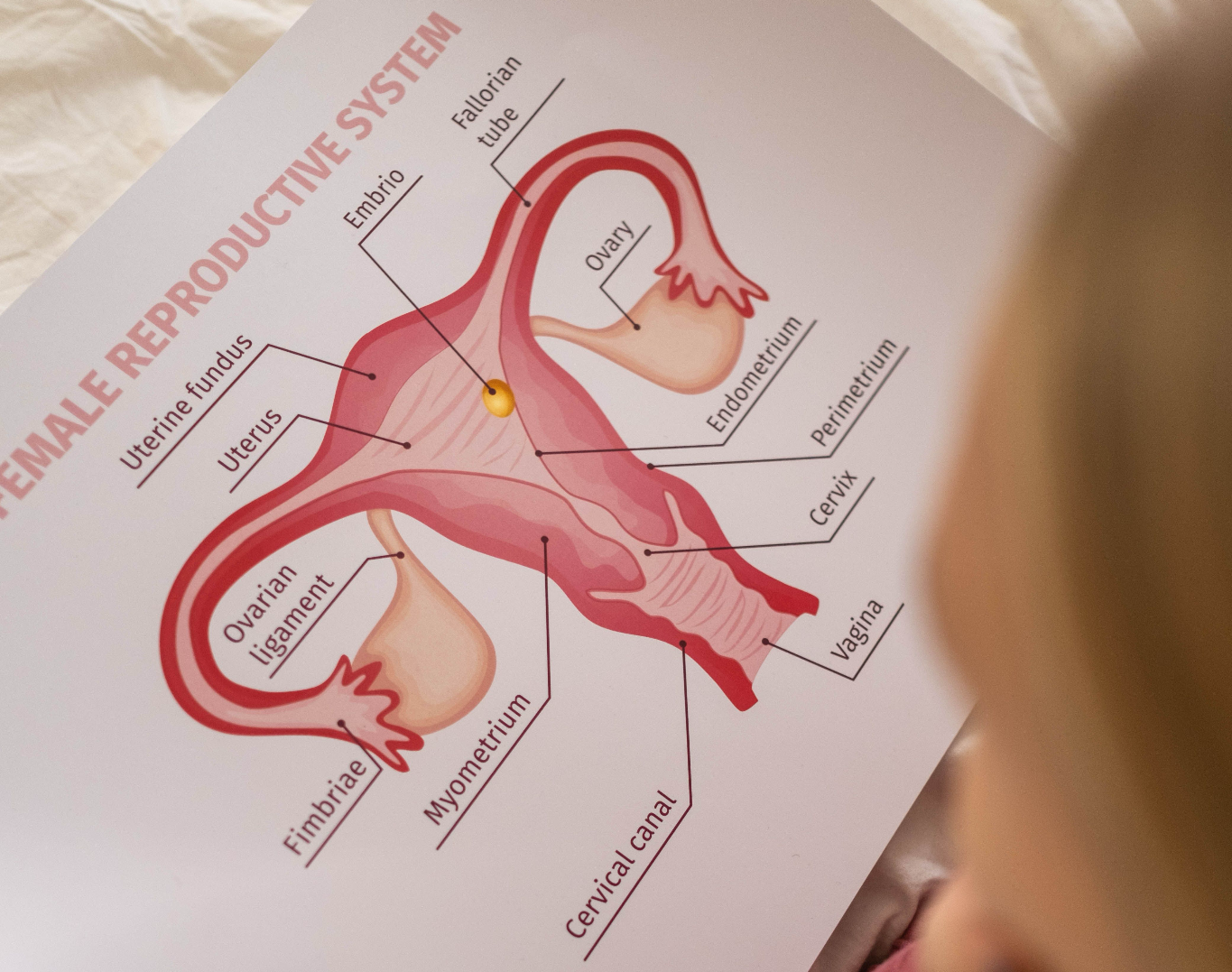

The debate surrounding Polycystic Ovarian Syndrome (PCOS), now known as Polyendocrine Metabolic Ovarian Syndrome (PMOS) starts with its name.
Renamed PMOS, it captures the polyendocrine hormonal systems, metabolic functions and a variety of physical and emotional symptoms which continue to affect 1 in every 8 women which accounts for roughly 10% to 12.5% of women.
“What we now know is that there is actually no increase in abnormal cysts on the ovary, and the diverse features of the condition were often unappreciated,” explained Professor Helena Teede, an endocrinologist and member of the Endocrine Society.
The former name overemphasized ovarian cysts, something that many longtime sufferers did not have. Those who have had ovarian cysts were left uninformed about the reality of these cysts which deem harmless immature egg follicles picked up by ultrasound scans.
According to the Endocrine Society, “The journey to achieve a change in name took 14 years of global collaboration between experts and those with lived experience.”
However, the collective suffering of misdiagnosed and unheard women continued to haunt healthcare worldwide.
Yale Medicine explains, “The condition involves multiple systems across the body. It may present symptoms such as irregular periods, elevated androgen (male hormone) levels, and fertility difficulty, but also insulin resistance, increased long-term risk of type 2 diabetes, and abnormal cholesterol levels.”
Despite the wide range of symptoms, there is currently no single test to determine whether a woman has PMOS. Medical practitioners rely on the trends they track through menstrual history, family history and blood panels since the overarching condition manifests differently depending on the woman.
The change in the condition’s name includes all women, especially those who do not experience regular reproductive symptoms. These women may stop seeking care and the condition becomes uncontrolled. PMOS captures a greater understanding that goes beyond fertility and irregular cycles.
The developing research and ethnic-related medical guidance raises important questions for women globally.
A 2025 NIH review found that the complexity of the condition is overlooked as women of different races have varying symptoms such as hirsutism – excessive body hair – as well as obesity.
The review states, “Growing evidence suggests that East Asian populations exhibit less hirsutism and adiposity (body fat) compared with other groups. However, hirsutism is more prevalent in South Asian, Middle Eastern, and Hispanic populations.”
PMOS captures the complexity of the metabolic condition rather than localizing the condition to ovarian cysts and tissue. The former name and definition of PCOS left millions of marginalized women without proper interventions.
“Race and ethnicity‐specific factors related to PCOS/PMOS must be considered in clinical practice,” the review concluded. “The diagnostic criteria of PCOS/PMOS should be specific to race and ethnicity to avoid missing treatment opportunities.”
Izza Malik, MPH, is an alumna of the NYU School of Global Public Health who serves as the Program Director of the Pharmacy Access to Contraception: Technical Assistance Program at the New York Birth Control Access Project (NYBCAP). Malik explained how the lack of representation and clinical gaps leave minority women vulnerable in the healthcare system.
“It is a fact that people of color are underrepresented in medicine; whether you look at statistics, graphics in medical textbooks, or the racial and ethnic diversity among clinicians. It is also a fact that black and brown women are less likely to feel heard by health providers, let alone when it comes to reproductive health– arguably one of the most underfunded and understudied fields of medicine,” said Malik.
She saw this breakthrough as a catalyst for advocacy and inquiry for better healthcare delivery.
“The diagnosis change from Polycystic Ovary Syndrome (PCOS) to Polyendocrine Metabolic Ovarian Syndrome (PMOS), is a wonderful step in the right direction. I hope that this change is not just a trending social media buzz word or a minor spelling modification in medical research, but a question which leads people to be more curious about serious, life-changing diagnoses,” stated Malik.
For women of all backgrounds affected by PMOS, the renaming revives hope for equitable care and improving the quality of life both mentally and physically.
Once a misconstrued medical mystery, PMOS is finally gaining the holistic light that captures the struggles of women accurately. This advancement empowers the new generation of scientists, clinicians and public health advocates who are conquering the stigmas that plague women’s health worldwide.