

Matcha went from a quiet, niche tea to a global must-have almost overnight. TikTok, Instagram, and Pinterest turned it into a lifestyle symbol, and suddenly the green drink that used to be hard to find became the centerpiece of Gen Z “wellness culture”.
But here’s the part most people don’t realize: this massive spike in popularity created real pressure on farms, suppliers, and the environment. The global matcha shortage is a problem for both the trend itself and the sustainability of the product.
I’ve been drinking matcha since 2016, long before it became an internet favorite. Back then, people didn’t post their morning matcha, and cafés barely had it on the menu. I loved it because it made me feel calm, focused, and grounded.
Watching it transform into a huge global trend has been surreal. Every time I hear someone order an iced matcha in front of me, I feel like I’m watching a small part of my daily routine explode into a billion dollar industry. And now, seeing matcha run low shows that the hype didn’t just change culture, but also impacted entire supply chains.
This raises the question of why matcha became so popular so quickly. As it stands, matcha seems to be the perfect storm of a product designed to go viral.
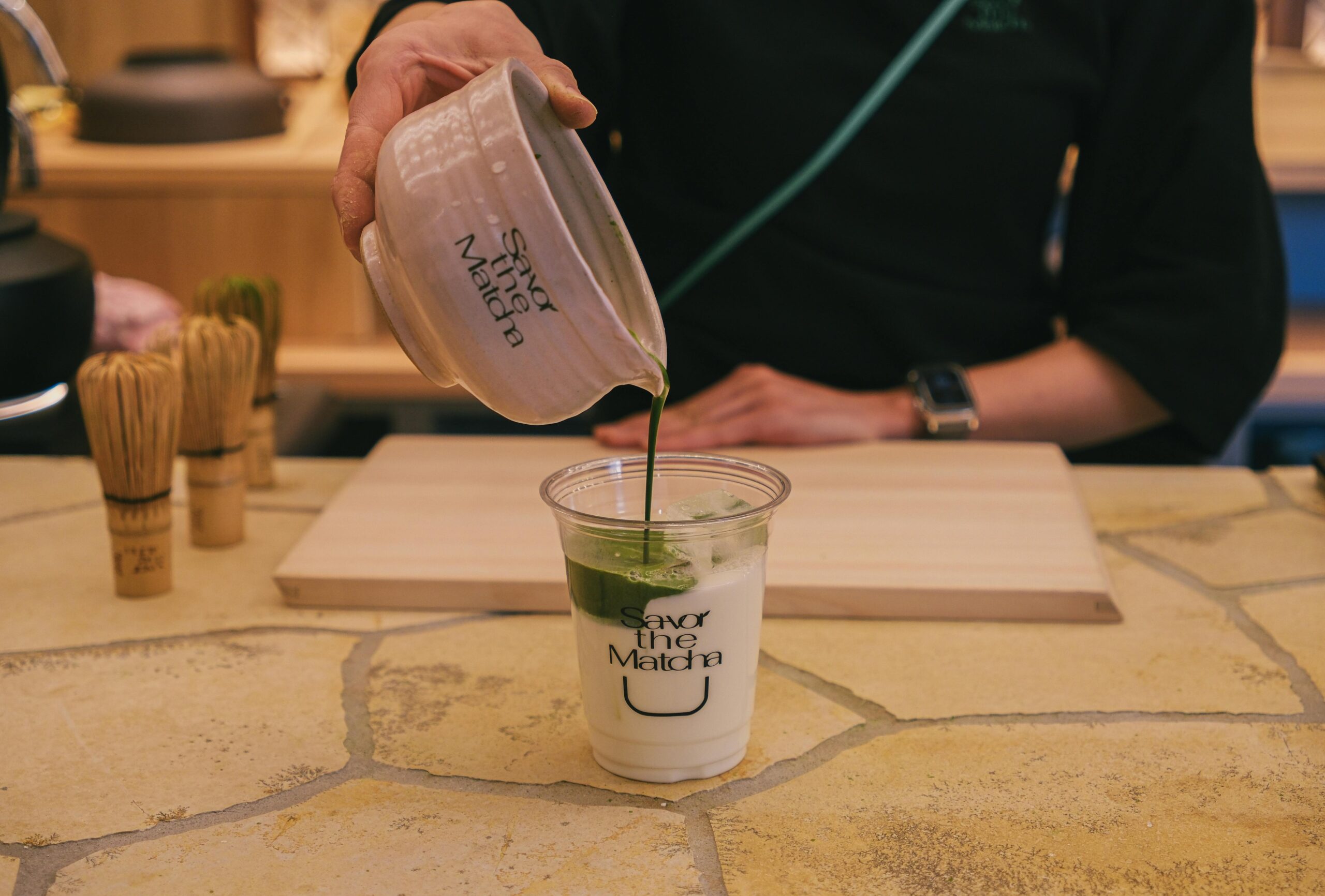
One reason could be the aesthetics around the drink. Matcha’s color alone sells it. The bright green pops in photos and videos, and it matches the calm, neutral, cozy aesthetic that dominates the internet. Green naturally signals balance, nature, and peace. Even the look of matcha makes people feel calm, which only adds to its appeal. It became an emotional experience beyond the drink itself. Visual appeal drove a lot of demand before people even tasted it.
In part thanks to the visual aesthetics, matcha turned into a lifestyle. TikTok transformed matcha from a beverage into an identity. Matcha routines have become symbolic of a particular vibe–clean kitchen counters, glass cups with bamboo whisks, accompanied by calm music.
But when millions of people start wanting the same product at the same time, it puts huge pressure on the systems that make it. This is where the coveted aesthetic meets the realities of the supply chain. Sustainability really matters because high quality matcha cannot be rushed.
The process requires many conditions such as shade-grown leaves, slow careful harvests, hand-driven grinding, healthy soil, stable climate conditions, and more.
Growing tea plants takes years, not months. So when global demand explodes overnight, agriculture can’t just “speed up” to match the trend. The results of this struggle are multi-faceted. Many farms can’t expand quickly enough, prices may increase as the quality of matcha decreases. Ceremonial matcha – the variety used for tea – is also easy to run out of as demand continues to remain high. And this is not even mentioning environmental factors such as climate change which can disrupt growing seasons or the overworking of farmland to meet demand.
This is exactly the type of imbalance that sustainability management tries to prevent. When hype grows faster than natural production, you get shortages, overworked farmland, and stressed supply chains.
Matcha is now a real example of how consumer behavior and aesthetic culture can push suppliers and environmental systems beyond their limits. The matcha boom also reveals a lot about modern consumption. The trend has demonstrated a collective craving for calmness in a chaotic world, a love for peaceful and intentional routines, and a gravitation towards natural and wellness-focused products.
But this trend also shows how consumer trends are connected to the environment. One viral drink can affect farmers, soil, local climates, and global supply. Being a conscious consumer is more than what one chooses to buy, but is simultaneously about understanding the impacts that choices have on various systems.
Matcha may be centuries old, but its modern rise happened at lightning speed. The shortage shows how something as simple as a green drink can reveal bigger conversations about sustainability, responsible sourcing, and how trends shape the world around us.
For people like me, who’ve been drinking matcha since 2016, this isn’t a story about hype alone, but one that serves as a reminder that every product we love comes from somewhere. It’s grown, harvested, processed, and shipped by real people in real environments. And if we want these things to stay available in the long run, we have to think about how our choices affect the systems that produce them.