
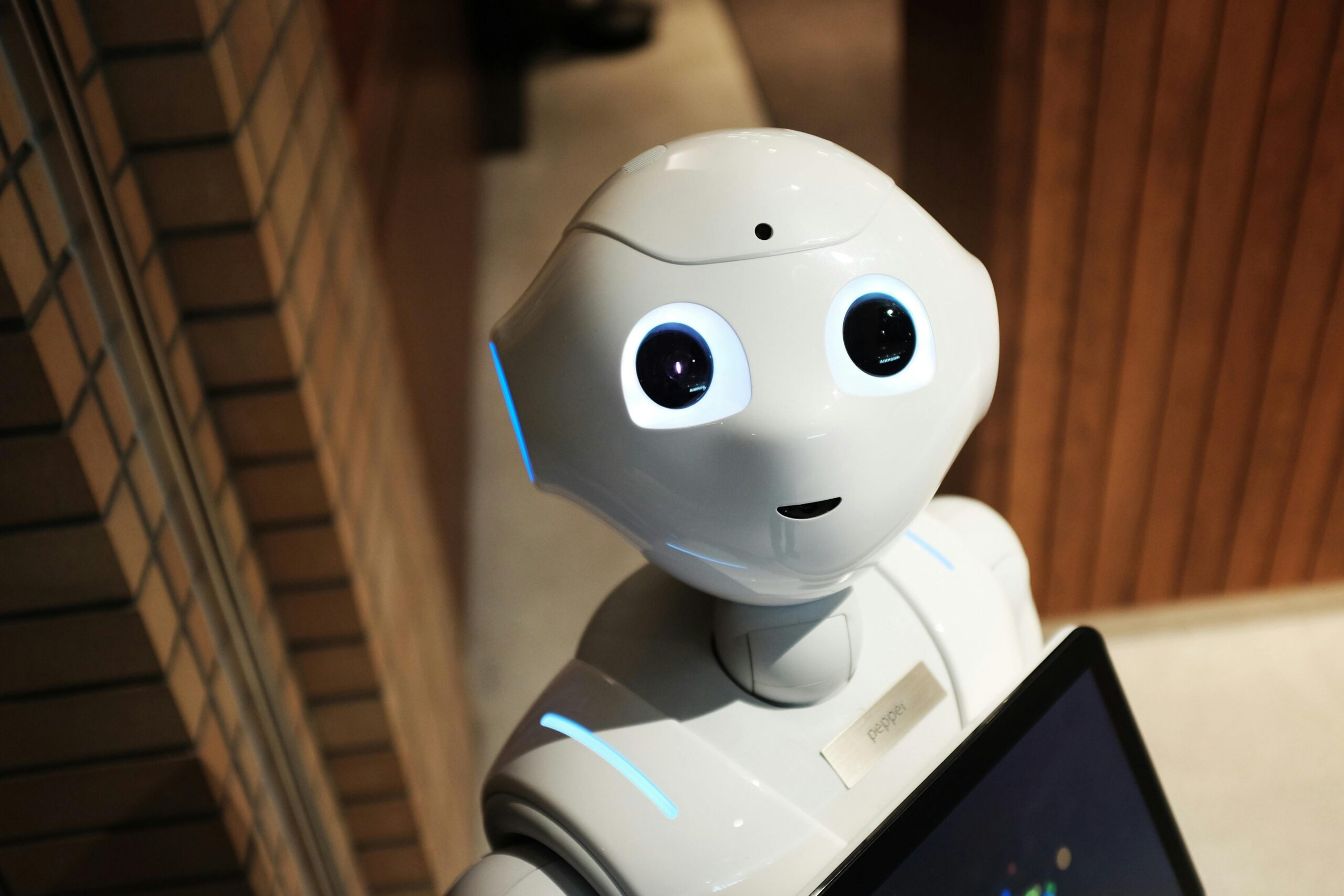

Throughout the 2020’s, generative Artificial Intelligence (AI) has skyrocketed into societal prominence. AI is an experimental tool intended to assist people in various careers. Despite several potential benefits when it comes to assisting workers, AI can also be used as a means to replace workers.
Artificial intelligence has a number of different varieties ranging from generative AI such as ChatGPT and DALL-E; single-purpose AI such as Google Translate, Siri, and Alexa; and AI that is capable of human-like memory to a limited degree. Each of these variations of AI serve a common purpose, that being to assist people with various tasks. As a result, a number of different jobs and industries now incorporate AI into their work material in order to deliver results as soon as possible.
One of the earliest forms of artificial intelligence was created in 1955. The Logic Theorist Program developed by Allen Newell, Cliff Shaw, and Herbert Simon, acted as the blueprint or proof of concept for other forms of artificial intelligence being capable of completing tasks using human thought processes.
In the 1980’s, AI was innovated with the intention of using the technology as a guidebook for people to solve various different problems. However, this era’s AI did not take off in the same way as the tools of the 2020’s due to expensive maintenance, lack of flexibility, and limited versatility.
On Nov. 30th, 2022, ChatGPT was released for public use. ChatGPT behaved similarly to the Logic Theorist Program in that people could prompt the AI with various questions or problems and ChatGPT would be able to give a solution using human-like thought processes.
According to an Oct. 1st, 2025 release from the budget lab at Yale, AI has yet to erode labor demand, stating:
“Overall, our metrics indicate that the broader labor market has not experienced a discernible disruption since ChatGPT’s release 33 months ago, undercutting fears that AI automation is currently eroding the demand for cognitive labor across the economy.”
The budget lab also claims that widespread effects of the workplace caused by ChatGPT will take more time to fully materialize.
The use of artificial intelligence in the job market has constantly evolved since its earliest inceptions and advancements during the 1980’s.
According to J.P. Morgan, “the unemployment rate among college graduates has increased, reaching 5.8% in March — the highest in more than four years.” The report also claims that job growth around tech industries is slowing down, and that AI could negatively affect the job market by the next recession. While it continues to be adopted into the technological market, AI poses a serious risk to college graduates looking to join the workforce.
There are several potential cons to the utilization of AI in the job market such as higher unemployment, wealth inequality, and overreliance on AI to do menial tasks. Despite this, there are some positives for the introduction of artificial intelligence into the job market, such as reduced errors caused by fatigue, fast solutions to various problems, and offering those in medical care various methods of identifying and treating specific diseases.
So far, various companies have attempted to embrace AI, allowing employees to take advantage of the new technology, while others are vehemently against the utilization of AI due to ethical concerns such as contributing to unemployment, environmental impact, and more. Overall, the rise of AI and its subsequent impact on society will continue throughout the decade and will likely change the way work is done for better or for worse.