

For the people of Queens, the words “iconic” and “historic” bring one place to mind: Citi Field. Opened in 2009, this stadium sits at the heart of Flushing Meadows Corona Park and is home to the legendary New York Mets. Besides hosting sports events, Citi Field has also hosted numerous musical acts including BTS in 2018, Stray Kids last year and Ateez in 2024 and 2025.
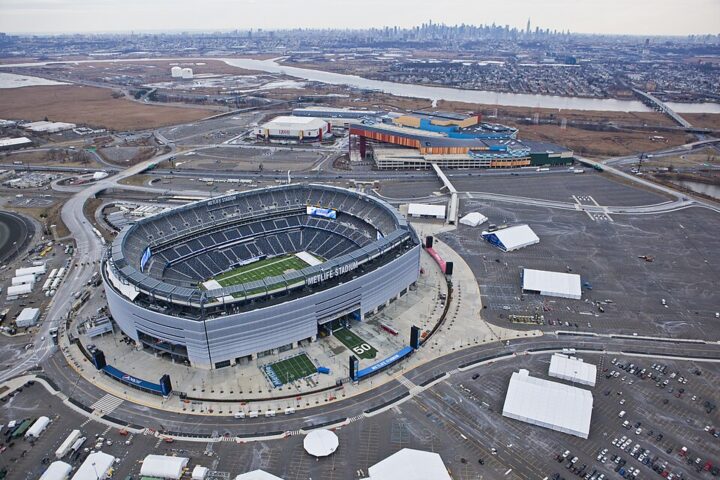
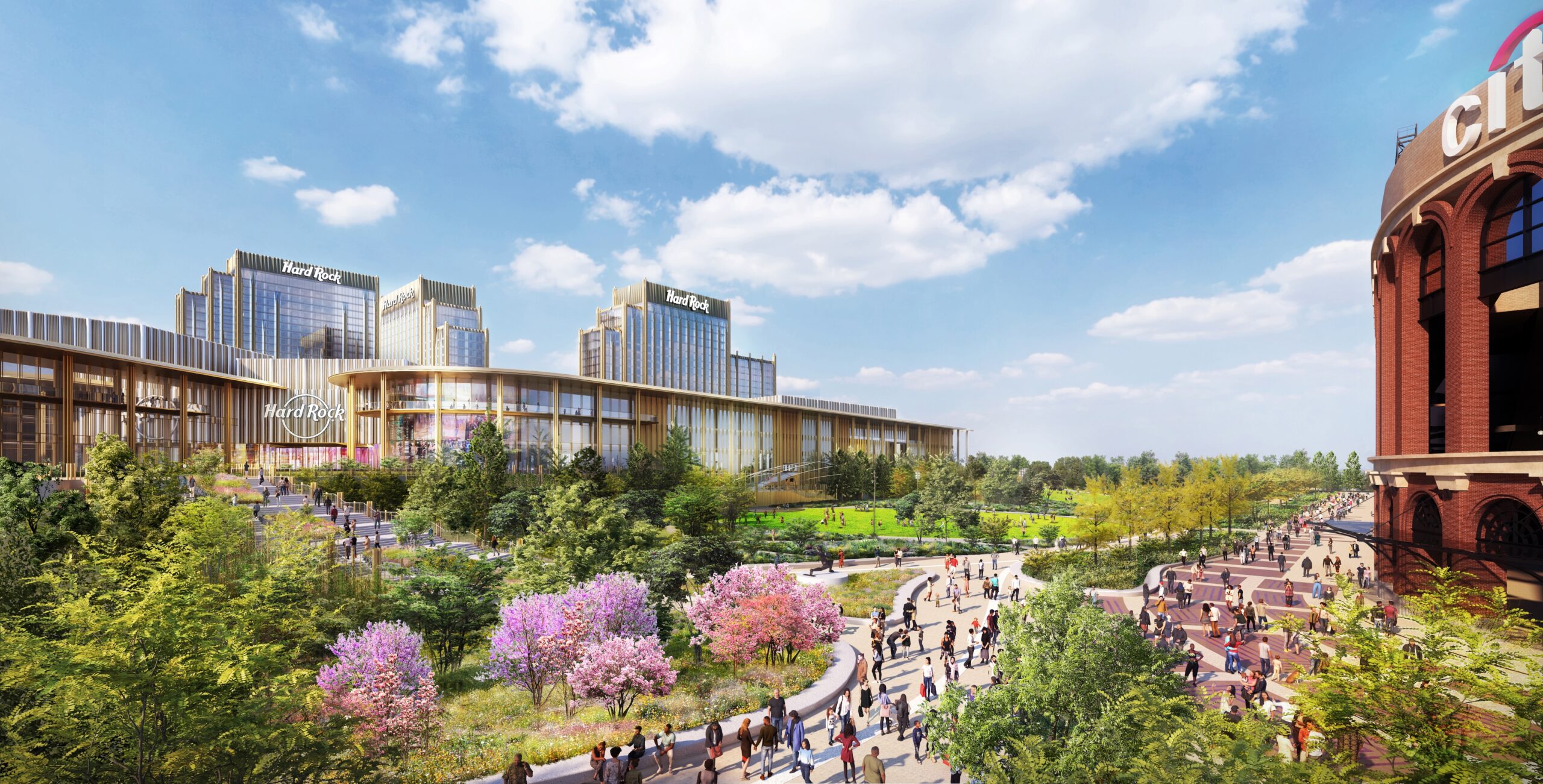
What surrounds this stadium is 50 acres of grim and barren asphalt parkland. With a new vision, New York Mets and Citi Field owner Steven Cohen, in partnership with major global hospitality company Hard Rock International, are set to transform the space into the entertainment and sports district of New York: Metropolitan Park.
Despite excitement surrounding the project, however, there have also been voices of contention among Queens residents as well as calls to boycott.
“Boycott Citi Field,” “No Casino in Queens,” and other phrases were chanted by protesters at Citi Field on March 27th. “We’re trying to get the word out, tell people about the casino that don’t know and tell people to boycott Citi Field so that Steven Cohen knows there is no business as usual when he is trying to steal our public land to build a casino and take advantage of our neighborhood,” said a protester in a video interview uploaded to the organization’s Instagram page.
Funded at $8.1 billion, the Metropolitan Park is an ambitious project that seeks to serve the diverse needs of the Queens community. This project, culminating in years of public workshops and stakeholder meetings, was set in motion on December 15th, 2025, after the New York State Gaming Commission voted to award a gaming license to Steven Cohen and partners.
At its core, the park promises to deliver over 25 acres of greenspace — public parks, playgrounds, and athletic fields — in addition to a luxury bar and lounge, hotel, expansive retail corridor, and a sportsbook. Furthermore, the park will house The Taste of Queens, a community food-oriented hall featuring multicultural cuisines prepared by local food vendors. Other exciting elements include a 5,650 capacity theatre-style venue and a revamped, more accessible subway station. As its showstopper, the Metropolitan Park project will feature a large casino complex, adding to its mission of gaming and entertainment.
It doesn’t just end there. For the proponents of this project, Metropolitan Park will be a catalyst for economic development, creating over 23,000 union jobs, empowering hundreds of minority and women-owned businesses, and generating billions in tax revenue that will support education and the MTA. “We want Metropolitan Park. We want this for the jobs. We want this for the young people,” stated a campaigner for the project in a promotional video.
In spite of the positive buzz, the Metropolitan Park project has left many residents of Queens, particularly in Flushing and Corona, skeptical and wary. In an article published by the New York Times, Graciela Quispe, 27, a resident of Corona, says, “If you put a bunch of casinos in all of our neighborhoods, we’re going to see people going to casinos.” Concerns over gambling have been a leading issue for opponents of the project, who worry that the addition of casinos will lead to a surge in gambling. Rebecca Pryor, Executive Director of the Guardians of Flushing Bay, added that the casinos contradict the “overall picture of a family’s experience at a public park in New York.”
Although opinions on the Metropolitan Park, particularly its casino, are divided, the prevailing sentiment is that the park is a much-needed addition to the neighborhood. “The area around our ballpark is desolate, it’s cold, just lacks vibrancy and activity,” shares Michael Sullvian, Cohen’s Chief of Staff. For Steven Cohen, Metropolitan Park is more than just an investment; it’s a “shared space that people would not only want to come to, but can truly be proud of.”
Projected to open in 2030, Metropolitan Park remains a topic of conversation for New York City. However, both sides find common ground on the need to transform the underutilized parkland into a space that embodies the values and cultural diversity of the World’s Borough.